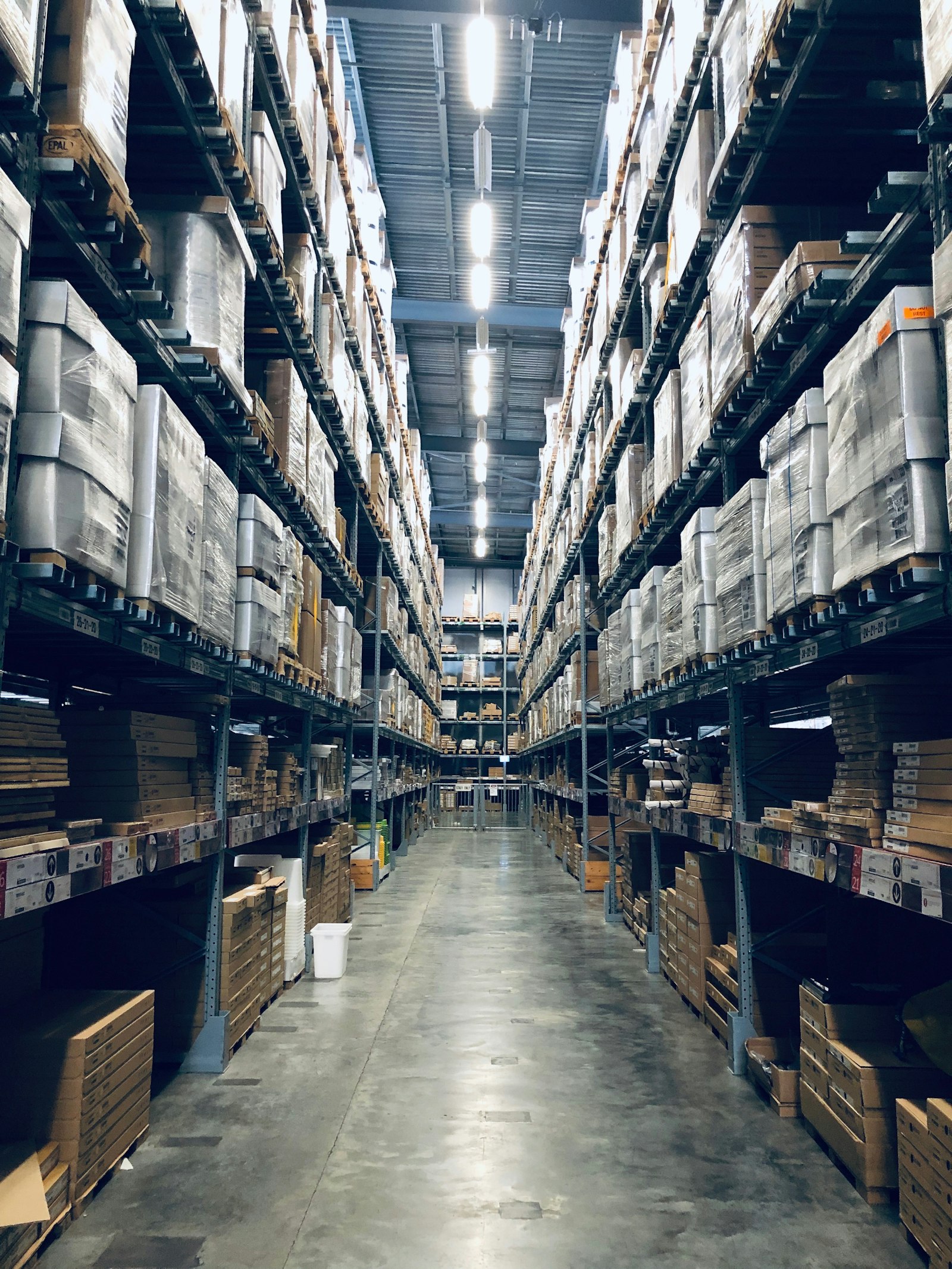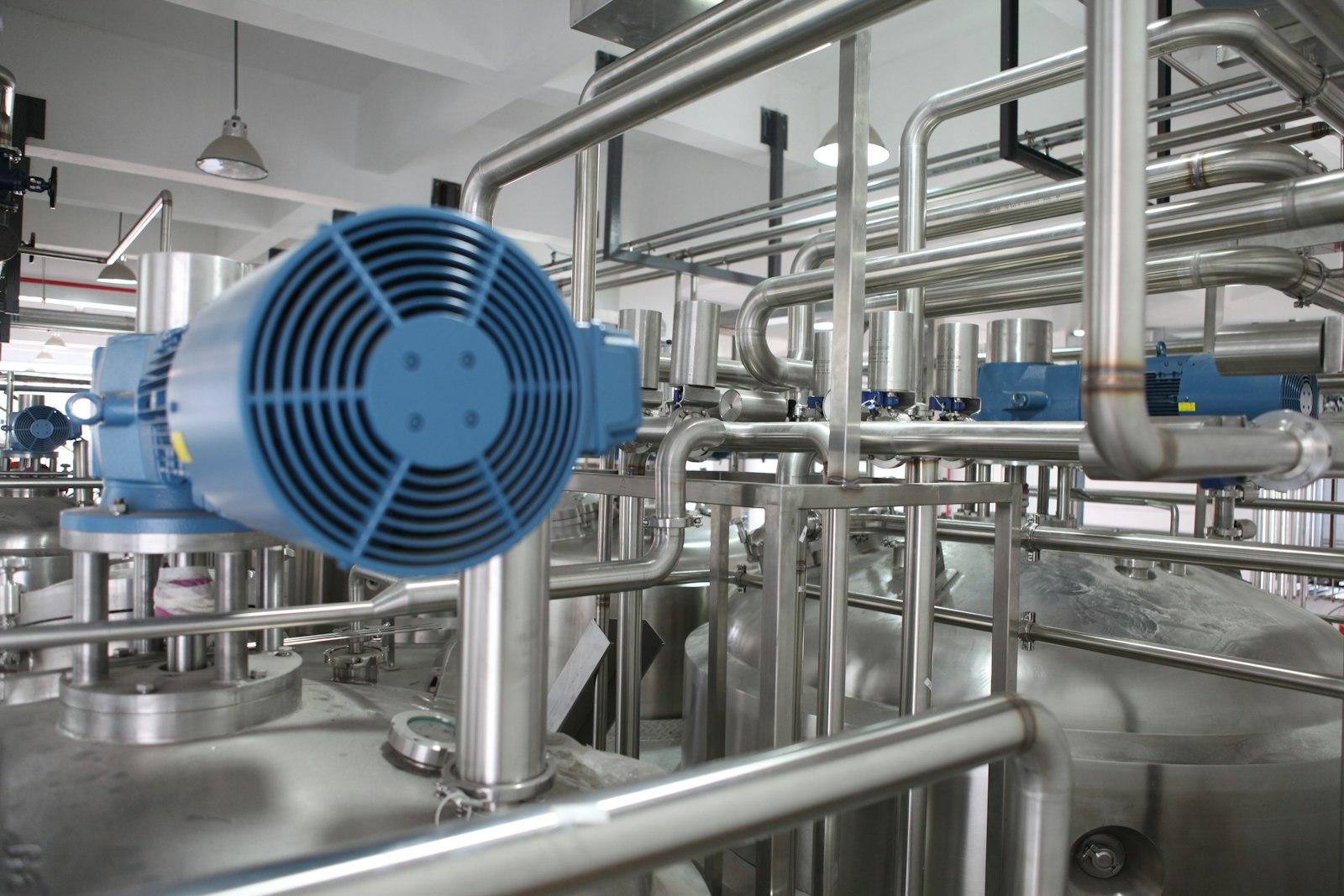
- 01A modern rice mill flows in one direction: intake & cleaning → de-stoning → husking → paddy separation → whitening → polishing → grading → blending → packing.
- 02Design capacity in tonnes/hour of paddy (not rice), then size every machine and conveyor 15–20% above nameplate so bottlenecks never form at the huller or whitener.
- 03A 3D BIM model resolves civil/structural, equipment, and dust-aspiration clashes before fabrication — the single biggest source of on-site rework in mill projects.
- 04Vertical, gravity-assisted layouts cut conveying energy and footprint but drive taller structural design; single-floor layouts are cheaper to build but need more land and horizontal conveying.
- 05Spetia Engineering delivers rice mill layouts end-to-end — process, structural, and MEP in one coordinated model — typically compressing design-to-commissioning timelines by weeks.
Rice milling looks simple from the outside — paddy in, white rice out — but the plant that does it well is a tightly choreographed sequence of separation steps, each sensitive to moisture, throughput, and dust. Get the layout right and the mill runs at high head-rice yield with low downtime for years. Get it wrong and you inherit chronic bottlenecks, dust hazards, and rework that no amount of operator skill can fix. This guide walks through how we approach rice mill plant design as an engineering problem, and where 3D BIM removes the cost and schedule risk that plagues traditional 2D-drawing projects.
The rice milling process flow, step by step
Every layout decision follows the process. Modern rubber-roll mills move paddy through a one-directional sequence so that clean and unclean streams never cross and finished rice is never re-contaminated by husk or bran.
- 01Intake & pre-cleaning
Paddy is received, weighed, and passed through a drum pre-cleaner and vibratory cleaner to strip straw, chaff, and coarse impurities before storage.
- 02De-stoning
A destoner uses air and a vibrating deck to remove stones and mud balls of similar size to paddy — critical to protect downstream rollers and consumer safety.
- 03Husking (shelling)
A rubber-roll sheller removes the husk. Two rolls run at different speeds; roll gap and differential speed set the shelling ratio and directly affect broken-grain percentage.
- 04Husk aspiration & paddy separation
Husk is aspirated to a cyclone; a paddy separator (tray or compartment type) returns un-hulled paddy to the sheller so only brown rice advances.
- 05Whitening (milling)
Abrasive and/or friction whiteners remove bran in stages. Multi-pass whitening at lower pressure preserves head-rice yield versus a single aggressive pass.
- 06Polishing
A water-mist or silky polisher gives the grain its finished sheen and removes residual bran dust.
- 07Grading & length separation
A rotary sifter and length grader (indented cylinder) split head rice, second heads, and brokens into defined fractions.
- 08Blending, weighing & packing
Fractions are blended to spec, then weighed and bagged. Colour sorters are increasingly standard before packing for premium grades.
Sizing the plant: capacity and the 15–20% rule
Rice mill capacity is quoted in tonnes per hour (TPH) of paddy input, not finished rice — a common source of costly misunderstanding. A nominal 4 TPH paddy mill yields roughly 2.6 TPH of white rice at a typical ~65% total milling yield. Every machine and conveyor in the line should be rated 15–20% above the design throughput so that no single unit becomes the choke point during moisture swings or grade changes.
| Stage | Equipment | Sizing basis |
|---|---|---|
| Pre-cleaning | Drum + vibro cleaner | ≥ 5 TPH paddy |
| De-stoning | Dry destoner | ≥ 5 TPH paddy |
| Husking | Rubber-roll sheller (x2 for redundancy) | 2.5 TPH each |
| Separation | Paddy separator | ≥ 5 TPH mixed |
| Whitening | Abrasive + friction (3 pass) | 2.6 TPH brown rice |
| Grading | Rotary sifter + length grader | 2.6 TPH |
| Packing | Net weigher + bagging | 2.6 TPH |
Plant layout: vertical vs single-floor
The single biggest architectural decision is whether the mill is gravity-fed vertical or horizontal single-floor. Each has clear trade-offs that ripple into structural and civil cost.
- Vertical (multi-storey) layout: machines stacked so gravity moves grain downward between steps. Minimises bucket-elevator count and conveying energy, shrinks footprint — but demands a taller, more heavily engineered steel or RCC structure with tight equipment/opening coordination.
- Single-floor layout: everything at grade, connected by elevators and conveyors. Cheaper and faster to build, easier to maintain — but needs more land and more horizontal conveying, which adds grain breakage points.
- Hybrid layout: cleaning and storage at grade with a compact vertical milling tower — the most common optimum for 2–10 TPH commercial mills.
Structural, dust aspiration & MEP coordination
A rice mill is a structural and MEP problem as much as a process one. Vibrating machines need isolated, correctly-tuned foundations. The aspiration network — arguably the most under-designed system in small mills — must carry husk and bran dust to cyclones and bag filters at the right air velocity to prevent both settling (blockage) and abrasion. Electrical loads, cable trays, and motor control centres have to be routed clear of grain paths and washdown zones.
This is exactly where a coordinated model earns its keep. We build process equipment, structure, ducting, and electrical in one federated BIM model, run automated clash detection, and hand over drawings that fabricators can build without interpretation. Dust explosion risk (a real hazard in husk handling) is designed against from the start, not patched later.
Designing a rice mill as one coordinated package
Most mill delays come from disciplines working in separate 2D silos — process from the equipment vendor, structure from a local consultant, electrical from a third party — that only meet on site. As an end-to-end engineering partner, Spetia Engineering delivers process, structural, and MEP design inside a single model, so the mill you commission is the mill you designed. That coordination is what compresses the timeline and protects the budget.